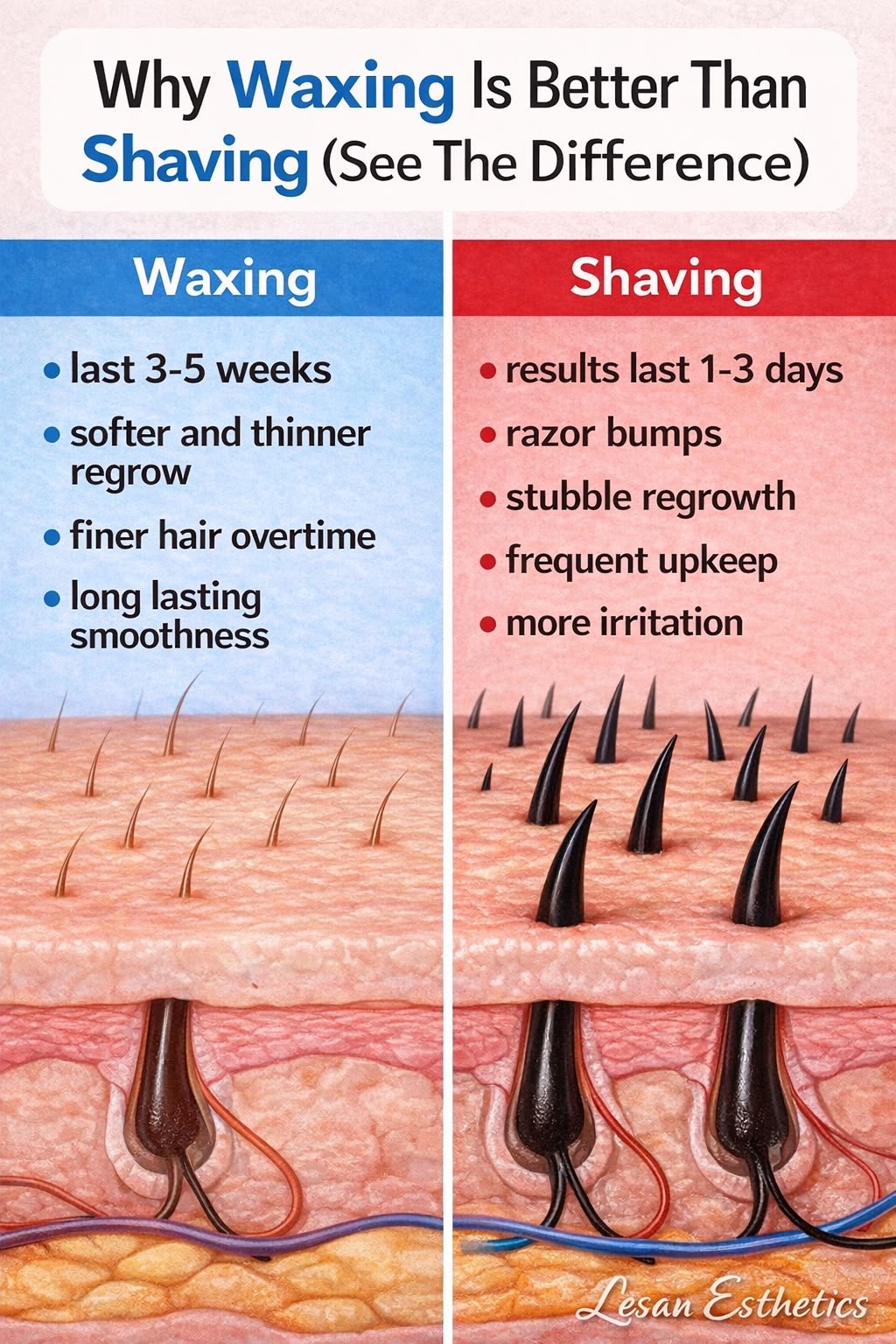
A little pinkness, warmth, or tenderness after a wax is common – especially after a Brazilian, underarm, facial, or first-time body wax. The goal is to soothe skin after waxing without overdoing it. Freshly waxed skin is more exposed and reactive, so the kindest aftercare is usually simple, clean, and hands-off.
At WonderWax, we want every guest to leave feeling smooth, comfortable, and confident about what comes next. Whether you are preparing for a beach weekend in Fort Lauderdale or keeping up with your regular grooming routine, a few thoughtful choices can help your skin settle beautifully.
What Your Skin Needs Right After a Wax
Waxing removes hair from the root, which can leave the follicle opening temporarily more vulnerable to friction, sweat, bacteria, and irritating ingredients. Redness around the follicles may show up right away. For many people, it fades within a few hours; for sensitive areas or first appointments, it can take a day or two.
Right after your service, think cool, clean, and calm. Avoid touching the area unless your hands are freshly washed. It can be tempting to check the smoothness repeatedly, but rubbing transfers oil and bacteria to skin that needs a little space.
Your esthetician may apply a calming post-wax product suited to the area. Once you are home, there is no need to layer on several new products. A lighter routine gives you a better chance of knowing what your skin responds well to.
How to Soothe Skin After Waxing at Home
For the first 24 to 48 hours, focus on reducing heat, friction, and irritation. A clean, cool compress can be especially comforting for temporary warmth or redness. Hold it gently against the skin for a few minutes at a time. Do not place ice directly on the area, since extreme cold can be irritating too.
If your skin feels dry or tight, use a fragrance-free, alcohol-free moisturizer or a gentle soothing gel recommended for post-wax care. Look for a simple formula rather than one packed with acids, retinoids, essential oils, or heavy fragrance. “Natural” does not always mean gentle – botanical ingredients and scented oils can still cause a reaction on newly waxed skin.
Loose, breathable clothing also makes a real difference after body and Brazilian waxing. Soft cotton underwear and relaxed pants or shorts reduce rubbing around the bikini line. After an underarm wax, choose a clean, loose top and wait before applying deodorant if the skin feels sensitive. A mild, fragrance-free option is often more comfortable once the area has settled.
For facial waxing, skip makeup on the freshly waxed area for the rest of the day when possible. Foundation, concealer, and makeup brushes can introduce bacteria and create extra friction. Let the skin rest before returning to your usual routine.
What to Avoid for the Next Day or Two
A smooth waxed area can make you want to show it off immediately, but a short pause protects your results. For 24 to 48 hours, avoid activities that create excessive heat, sweat, or rubbing. This includes intense workouts, hot yoga, saunas, steam rooms, hot tubs, and very hot baths.
Swimming pools, ocean water, and lakes are best saved for later as well. South Florida heat makes this worth planning around: if you have a pool day, boating trip, or beach outing planned, consider scheduling your wax early enough to give your skin recovery time. Saltwater and chlorine are not automatically a problem for every person, but they can sting or aggravate freshly waxed skin.
Also hold off on exfoliating products, body scrubs, exfoliating gloves, retinol, benzoyl peroxide, acne treatments, and strong chemical peels. These products can be excellent in the right routine, but not on newly waxed skin. The same goes for perfumed lotions, self-tanner, and heavily scented body sprays near the treated area.
Intimacy after a Brazilian wax is another situation where timing matters. Friction, heat, and bacteria can all make the skin feel more irritated. Waiting at least 24 hours, and longer if you still have redness or tenderness, is a practical choice for comfort.
Preventing Ingrown Hairs Without Irritating Skin
Ingrown hairs do not usually need aggressive treatment immediately after waxing. In fact, scrubbing too soon is one of the most common ways to turn a minor bump into an irritated patch of skin.
Once the area is no longer tender – often around 48 hours, though your skin may need longer – begin gentle exfoliation two or three times per week. The best method depends on the area and your sensitivity. Some clients do well with a mild chemical exfoliant designed for ingrown-hair prevention, while others prefer a very soft physical exfoliant. If you are prone to irritation, start slowly and use less than you think you need.
Moisturizing between exfoliation days helps keep skin flexible as new hair grows in. Avoid picking or squeezing bumps. It may feel productive in the moment, but it can cause inflammation, discoloration, or scarring.
Consistent professional waxing can also help over time. Hair often grows in softer and finer with regular appointments, although results vary by person, hair type, hormones, and the area being waxed. Your esthetician can help you find a schedule that supports smoother maintenance without waxing skin before there is enough regrowth.
Sensitive Skin, Medication, and First-Time Waxing
Sensitive skin does not mean waxing is off the table. It means personalized preparation and aftercare matter more. Let your esthetician know before your appointment if you have eczema, psoriasis, rosacea, recent sun exposure, active breakouts, allergies, or a history of post-wax reactions.
Certain medications and skincare treatments can make skin more fragile. Retinoids, prescription acne medications, some antibiotics, and recent professional exfoliation are all worth discussing before you wax. Do not stop a prescribed medication on your own, but do tell your esthetician exactly what you are using. Honest details help us choose the safest approach or decide whether it is better to postpone a service.
If you are waxing for the first time, plan it at least several days before a major event. That gives your skin time to settle and gives you a clearer picture of how it responds. A first Brazilian or facial wax right before a wedding, vacation, or photo shoot can add unnecessary stress.
When Redness or Bumps Need More Attention
Mild redness, tiny follicle bumps, and temporary sensitivity are typical after waxing. They should gradually improve, not become more painful or widespread. Contact a medical professional if you develop severe swelling, worsening pain, pus-filled bumps, a spreading rash, blisters, fever, or symptoms that do not improve after a few days.
If you believe a product caused a reaction, stop using it and keep the area clean and simple. For a non-urgent concern, take note of what you used, when your symptoms began, and which area was treated. That information can help your esthetician and healthcare provider guide you appropriately.
The Best Aftercare Is Personal
There is no prize for using the most products after a wax. Some skin settles quickly with a cool compress and loose clothing, while other skin needs a few quiet days without fragrance, heat, or exfoliation. Your service area matters too: what feels fine on the legs may be too much for the bikini line or upper lip.
Listen to your skin, follow the aftercare advice from your licensed esthetician, and give yourself permission to keep the day after your wax a little gentler. That small bit of care can make your next appointment feel even more comfortable.
Find more general waxing aftercare guidance in our waxing FAQs.