A full body wax can make getting ready feel wonderfully simple: smoother skin, less daily shaving, and one appointment that handles the areas you want treated. But the best results do not come from rushing in on a whim. This full body waxing guide explains what to expect, how to prepare, and how to care for your skin afterward so your visit feels comfortable, clean, and personal.
What Full Body Waxing Usually Includes
Full body waxing is not a single, identical service for every client. It is a customized combination of areas, which may include the legs, arms, underarms, back, chest, stomach, bikini area or Brazilian, and facial areas such as the brows, lip, or chin. Some clients prefer an all-over service before a vacation or special event. Others build a routine around the areas that are hardest or most time-consuming to shave.
Before the appointment begins, a licensed esthetician should confirm exactly what you would like waxed, discuss any skin sensitivities, and make sure you feel comfortable with the plan. This is especially important for intimate waxing. You should never feel pressured to add an area or explain more than is necessary. Clear, respectful communication is part of professional care.
A full body appointment can take longer than a standard wax because each area needs focused attention. Hair texture, growth pattern, and the services selected all affect timing. If you are new to waxing, plan enough time that you do not feel hurried before or after your visit.
How to Prepare for a Full Body Wax
The right preparation helps wax grip the hair instead of your skin, which can make the service more efficient and more comfortable. Your hair should generally be about one-quarter inch long, roughly the length of a grain of rice. For many people, that means allowing about two to three weeks of growth after shaving. Hair that is too short may not lift cleanly, while very long hair can be trimmed before the service if needed.
Exfoliate gently one or two days before your appointment, especially on the legs, arms, and bikini line. A mild exfoliating glove or body scrub can help remove dry surface skin and free trapped hairs. Skip harsh scrubs, aggressive brushing, or exfoliation on the same day as your wax. Freshly irritated skin is not the goal.
Come in with clean, dry skin and avoid applying heavy lotion, body oil, or self-tanner that day. These products can make it harder for wax to adhere properly. Loose, breathable clothing is also a smart choice, particularly if you are having a Brazilian, bikini, or underarm wax. Soft cotton underwear and relaxed pants can feel much better against newly waxed skin.
If you are prone to discomfort, consider your usual, doctor-approved approach to pain relief before your visit. Some clients find that scheduling outside the days when they feel most sensitive, including around their menstrual cycle, makes a difference. You can still be waxed during your period, but sensitivity may be higher, and using a fresh tampon or menstrual cup is typically recommended for intimate services.
Skin and Medication Considerations
Tell your esthetician about medications and skincare products before waxing. Retinoids, prescription acne treatments, certain antibiotics, chemical exfoliants, and recent peels can make skin more delicate. Waxing over compromised skin can lead to lifting, irritation, or uneven healing.
The same goes for sunburn, active rashes, open cuts, or recent laser treatments. It may be safer to postpone the affected area. A professional esthetician would rather adjust your service than risk your skin for the sake of keeping a schedule.
What Happens During the Appointment
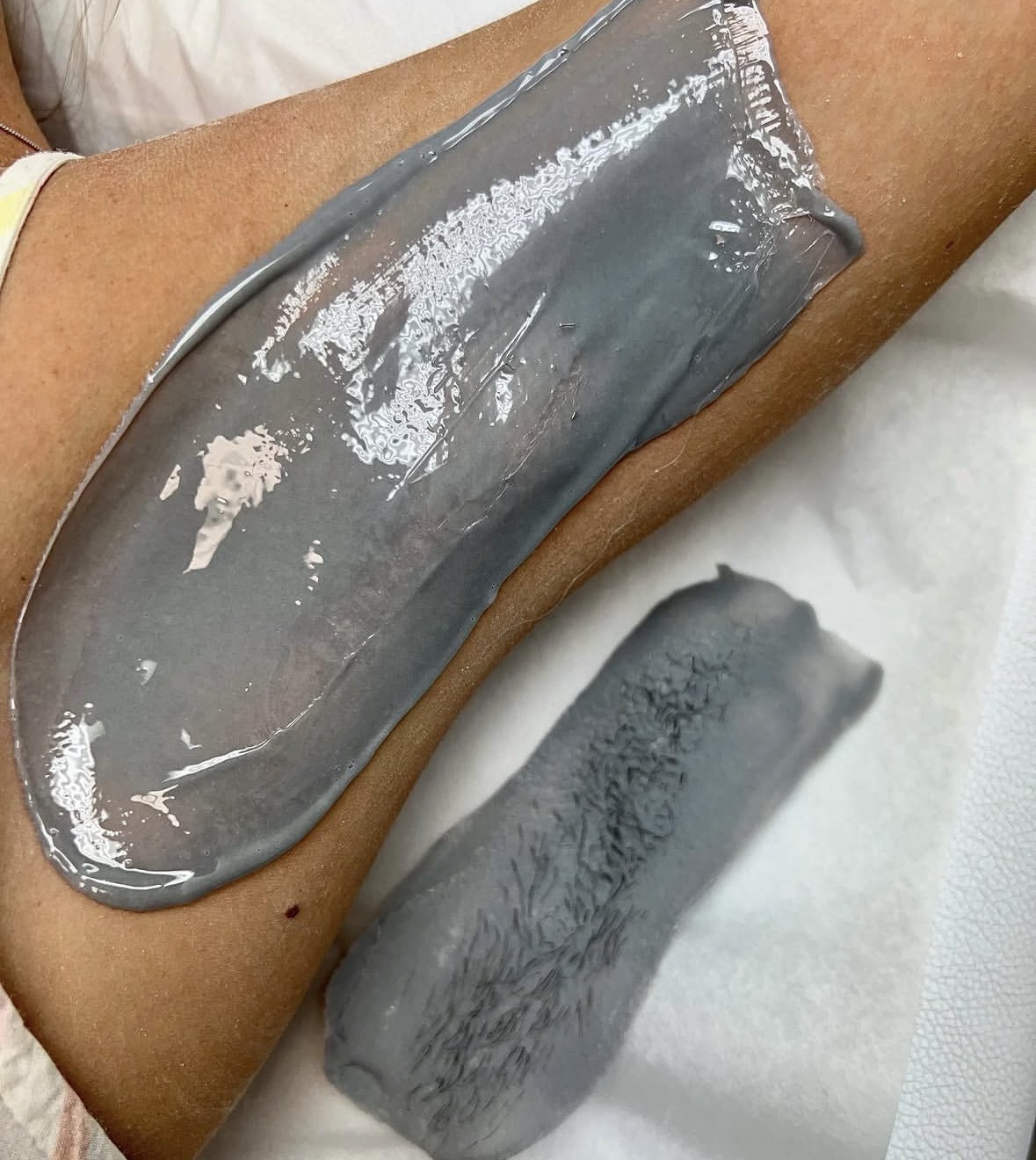
A thoughtful waxing service is organized, sanitary, and paced around your comfort. Your esthetician may cleanse the skin, apply a light protective pre-wax product, and select the wax technique that suits the area. Hard wax is often preferred for sensitive or intimate areas because it grips the hair and is removed without a cloth strip. Strip wax may be used effectively on larger areas such as legs, arms, chest, or ba
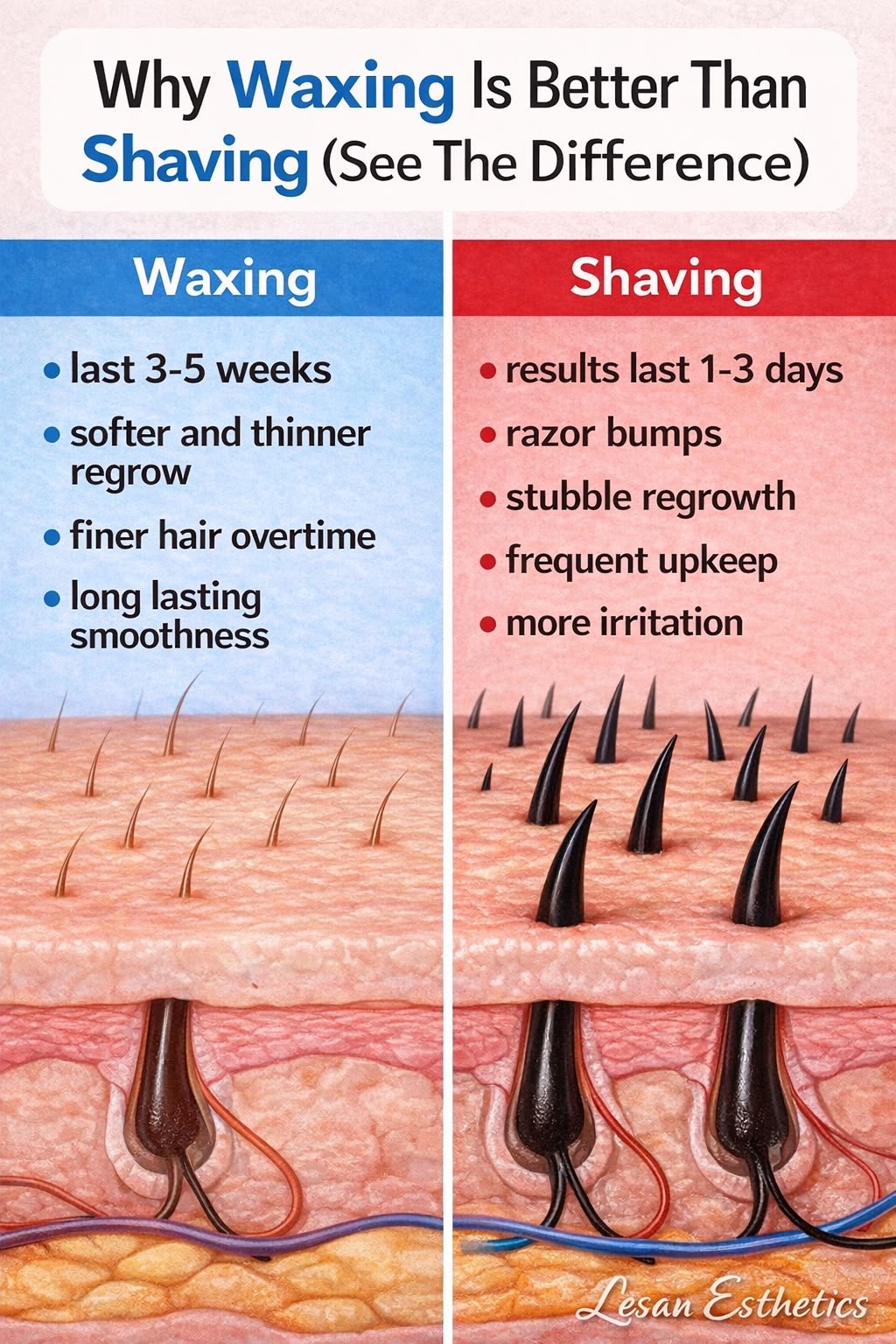
The sensation is brief but real. Most clients describe it as a quick sting followed by immediate relief. The first visit can feel more intense because the hair is often thicker after shaving, but regular waxing usually becomes easier as hair grows in finer and more evenly.
Breathing slowly helps more than people expect. Try not to hold your breath or tense every muscle before a strip is removed. If an area feels especially sensitive, say so. A good esthetician can pause, adjust positioning, use pressure after a pull, or work in smaller sections. The service should feel efficient, never dismissive.
Sanitation should be visible in the process. Fresh applicators, clean linens or table paper, disinfected surfaces, gloves when appropriate, and a no-double-dipping wax policy all help protect clients. If you have a question about a studio’s hygiene practices, ask before booking. You deserve a clear answer.
Full Body Waxing Aftercare That Protects Your Results
Your skin is freshly exfoliated after waxing, so the first 24 to 48 hours matter. Redness around follicles is common, especially after a first wax or on sensitive areas, and it usually settles quickly. Keep the skin cool, clean, and free from friction while it calms down.
For the first day, avoid hot baths, saunas, steam rooms, intense workouts, swimming pools, and direct sun exposure. Heat and sweat can irritate open follicles, while chlorine and bacteria can be uncomfortable on newly waxed skin. Skip fragranced lotions, deodorant on freshly waxed underarms if possible, and strong active ingredients on waxed facial skin.
After 48 hours, return to gentle exfoliation two or three times a week to reduce the chance of ingrown hairs. Follow with a simple, fragrance-free moisturizer. Do not pick at bumps or try to dig out an ingrown hair. If irritation persists, becomes painful, or looks unusual, check in with a medical professional.
Sun protection is also essential. Waxed skin can be more vulnerable to discoloration after UV exposure, particularly on the face, chest, and legs. Use broad-spectrum sunscreen daily and give your skin extra shade when you can.
When to Schedule Your Next Wax
Most clients maintain body waxing every four to six weeks. Brazilian and bikini waxing often falls closer to the four-to-six-week range, while brows, lip, chin, and underarms may need attention sooner depending on your growth cycle. Consistency is more useful than trying to time every appointment perfectly.
Avoid shaving between visits if your goal is a smoother, more predictable waxing routine. Shaving resets the blunt regrowth that waxing gradually reduces. If you need to remove a few hairs between appointments, ask your esthetician whether tweezing is appropriate for the area.
A First-Time Wax Is Not a Test of Toughness
There is no prize for pretending you are comfortable when you are not. First-time clients often worry about hair length, body shape, sensitivity, or whether they know the proper waxing etiquette. An experienced esthetician has heard these concerns before and should handle them without judgment.
At WonderWax, personalized care starts with listening. Let your esthetician know if it is your first time, if you have had a difficult experience elsewhere, or if one area needs extra care. That small conversation can make the appointment feel far more relaxed.
Smooth results are satisfying, but feeling respected in the process matters just as much. Choose a professional you can return to, wear something comfortable afterward, and give your skin a little patience. Your best waxing routine is the one that fits your body, your schedule, and your comfort level.