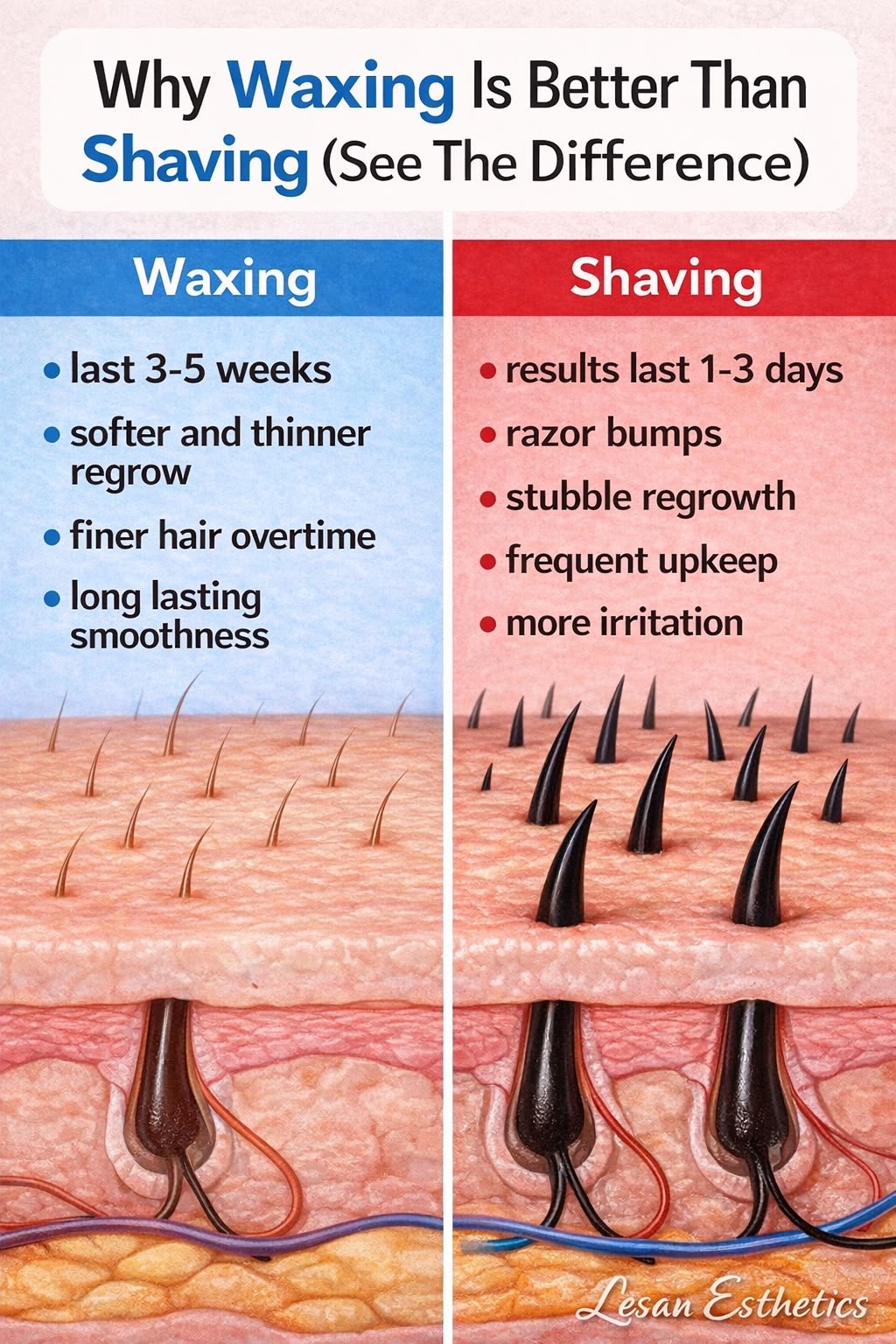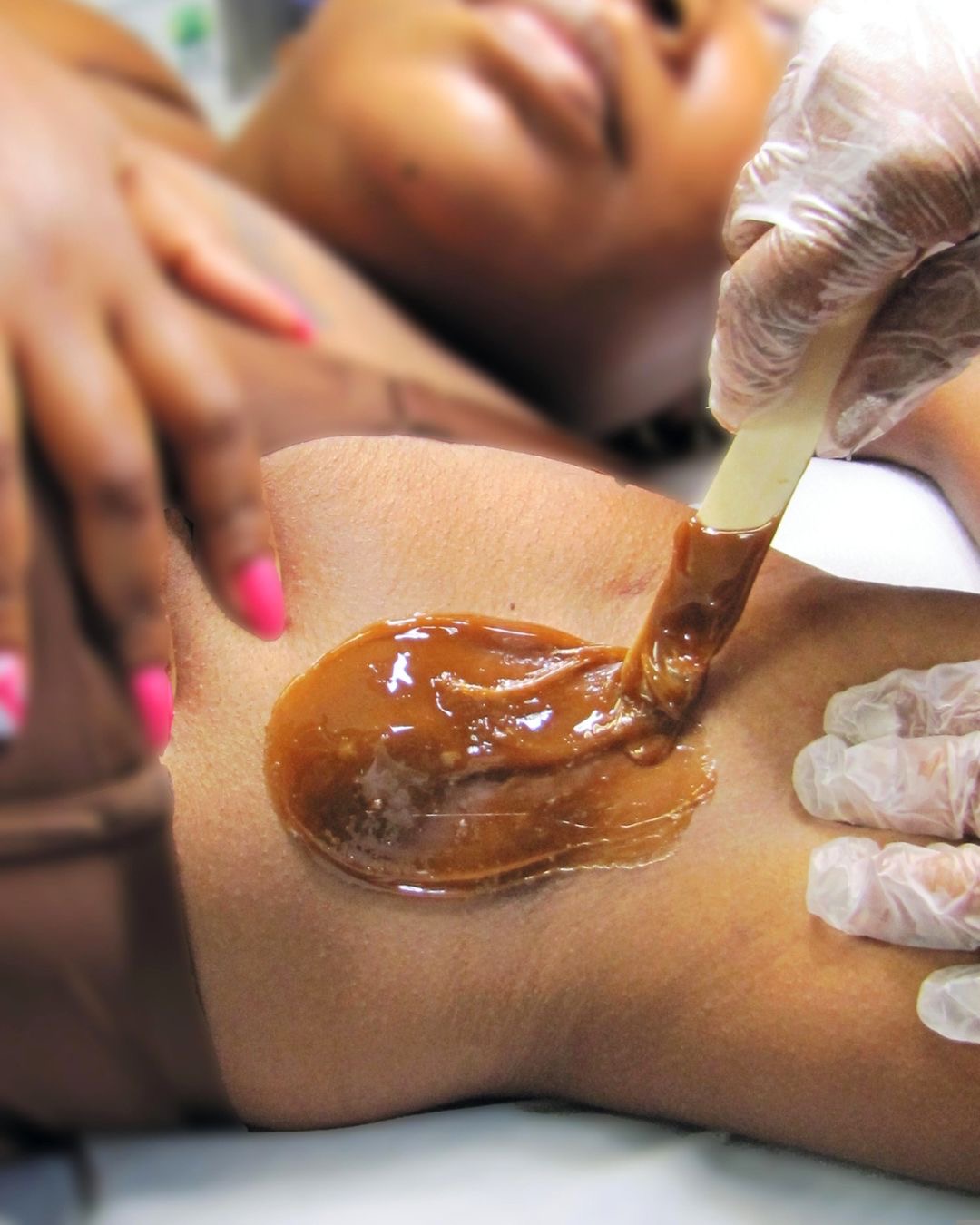
A smooth underarm wax can make getting dressed, working out, and heading to the beach feel a little easier. The key is not chasing perfect smoothness every day. A good underarm wax maintenance guide focuses on protecting your skin between appointments, allowing enough growth for effective removal, and knowing which small habits can lead to irritation.
Underarm skin is thin, warm, and often exposed to friction, sweat, deodorant, and shaving. That combination is why it deserves a slightly different routine than your legs or arms. With consistent professional waxing and thoughtful aftercare, most clients find that regrowth becomes easier to manage over time.
Start With a Consistent Waxing Schedule
For most people, underarm waxing works best on a four-to-six-week schedule. This gives hair enough time to grow to a removable length while keeping your appointments regular enough to catch hair in a similar growth cycle. If you are new to waxing, the first few appointments may feel less predictable because not every hair is growing at the same rate yet.
Avoid booking too early just because you notice a few hairs. Wax needs enough length to grip, generally about one-quarter inch, or roughly the length of a grain of rice. Very short hair can be difficult to remove cleanly and may leave you feeling less smooth than expected.
If your hair grows quickly, four weeks may be right for you. If your regrowth is finer or slower, five or six weeks may be more comfortable. Your esthetician can help you find the timing that fits your hair growth, skin sensitivity, and lifestyle.
Try Not to Shave Between Visits
Shaving between waxes interrupts the growth pattern you are trying to establish. It can also leave blunt stubble and make the next wax feel like a reset. If you need to remove a stray hair before an event, trimming it carefully is usually a better option than shaving the whole area.
That said, life happens. If you shave between appointments, there is no judgment. Simply let the hair grow out again before your next visit, even if that means waiting a little longer than usual.
Your Underarm Wax Maintenance Guide for the First 48 Hours
The first day or two after waxing is when your skin needs the most consideration. Hair has been removed from the follicle, so temporary redness, sensitivity, or tiny bumps can happen. These reactions are often mild and settle quickly, especially when the area is kept clean and calm.
For the first 24 hours, skip heavy exercise, hot yoga, saunas, steam rooms, hot baths, and pools. Heat and sweat can irritate freshly waxed follicles. Loose, breathable clothing is also a smart choice, particularly if you tend to experience rubbing around the underarm area.
Be selective with deodorant right after your service. Fragranced products, alcohol-based formulas, and strong antiperspirants can sting on freshly waxed skin. If possible, wait until the next morning before applying deodorant. If you need it sooner, choose a gentle, fragrance-free option and discontinue use if it burns or causes redness.
It is also best to avoid perfume, body spray, self-tanner, and heavily scented lotion on or near the underarms during this window. Clean, dry skin is the goal.
Keep Ingrown Hairs From Taking Over
Ingrown hairs can occur when a new hair becomes trapped under the skin rather than growing outward. Underarms are not the most common area for them, but sweat, friction, tight clothing, and product buildup can raise the chances.
Once your skin is no longer tender, usually 48 hours after your wax, begin gentle exfoliation two or three times per week. A soft washcloth or a mild chemical exfoliant formulated for body skin can help clear dead skin cells. Be gentle. Scrubbing aggressively can create more inflammation, not less.
Moisturizing also matters. Dry, congested skin does not allow new hairs to move through as easily. Use a lightweight, fragrance-free moisturizer after showering, especially if your skin feels tight. Apply exfoliating products and moisturizer at different times if your skin is sensitive, rather than layering several active products at once.
If you notice a bump, do not pick or squeeze it. Warm compresses and a pause from exfoliation may help if the area is irritated. Persistent, painful, spreading, or pus-filled bumps should be evaluated by a medical professional rather than treated with repeated home remedies.
Adjust Products That May Irritate Freshly Waxed Skin
Many underarm products are stronger than they seem. Deodorants and antiperspirants may contain fragrance, baking soda, acids, or alcohol. These ingredients are not automatically a problem, but they can be too much for skin that has just been waxed or is already prone to sensitivity.
If you regularly deal with dark marks, burning, itching, or a rash after waxing, bring the products you use to your appointment or take a photo of the ingredient list. Your esthetician can help identify whether timing or a particular product may be contributing to the issue.
It also helps to tell your esthetician about any prescription skincare, topical medications, or recent treatments that affect your skin. Retinoids, certain acne medications, chemical peels, and laser treatments can change how reactive the skin is. The safest timing depends on the product and your provider’s instructions, so never assume your usual waxing routine is appropriate after a new treatment.
Prepare Well Before Your Next Underarm Wax
Good maintenance starts before you walk into the studio. Come to your appointment with clean underarms and avoid applying deodorant, lotion, oil, or powder right beforehand when possible. Product residue can make it harder for wax to adhere to the hair.
The day before your appointment, you can lightly exfoliate if your skin tolerates it. Do not exfoliate immediately before your wax, and do not wax over broken skin, a sunburn, an active rash, or an area that is already significantly irritated.
Comfort matters, too. If you are sensitive to waxing, schedule when you are not rushed and wear a top that gives your esthetician easy access to the area. Some clients find that avoiding extra caffeine beforehand helps them feel less tense. Others are comfortable taking an over-the-counter pain reliever if it is safe for them personally, but it is wise to check with a pharmacist or healthcare provider if you have questions about medications.
What If You Sweat a Lot?
Living in South Florida often means heat and humidity are part of the plan. You do not need to avoid underarm waxing because you sweat. You just need to plan the timing thoughtfully. An early-day appointment can give your skin time to settle before an evening workout, beach day, or outdoor event.
After the initial 24-hour recovery period, shower as needed, pat the area dry, and return to a gentle deodorant routine. If sweat and friction regularly cause bumps, choose looser workout clothing and change out of damp tops promptly.
When to Ask for Personalized Advice
An experienced esthetician should want to know how your skin responded after your last visit. Mention any redness that lasted more than a couple of days, recurring bumps, product reactions, or changes in your medication. Small details can make a real difference in how your service is customized.
Professional waxing is not about forcing every client into the same schedule or aftercare routine. Some people need a longer interval between appointments, a gentler exfoliation plan, or a change in deodorant. Others simply need reassurance that a little temporary sensitivity is normal.
At WonderWax, that conversation is part of the care. Your underarms do not need a complicated routine – just consistent appointments, gentle skin support, and a little patience while your growth cycle settles into place.